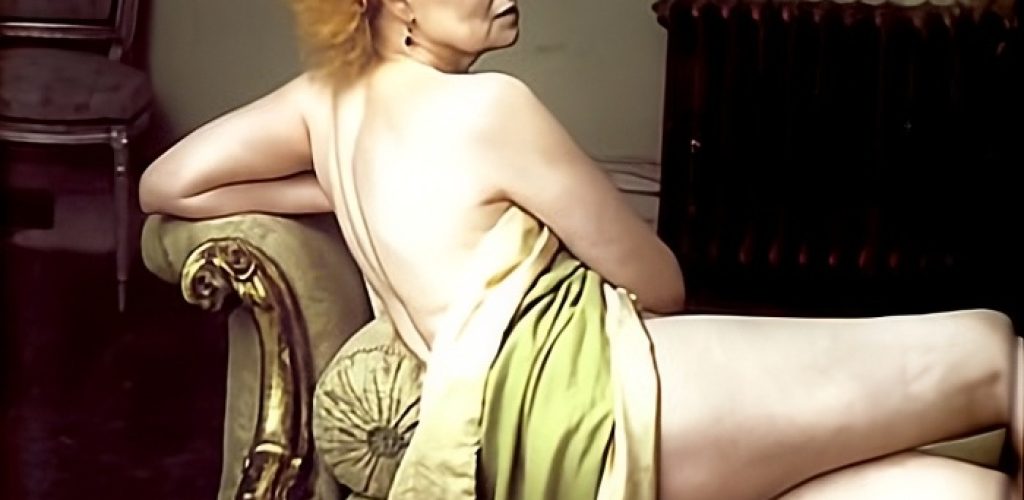
For four decades, she shocked, provoked, and amazed. She has made scandal and subversion her stock-in-trade.
Les tabloïds anglais l’adorent : avec elle, on a toujours quelque chose à dire… ou à redire !
She was born Vivienne Isabelle Swire on April 8, 1941, in Derbyshire, and died as Dame Vivienne Westwood on December 29, 2022, in London. The daughter of modest Calvinist parents (perhaps one should see the origins of her taste for pomp, rituals, and religious objects in that austerity and lack of material comfort?), she is very skilled with her hands. She buys her clothes at C&A but alters every piece—moving buttons, shortening hems, and adding gathers.
She studied jewelry making at the University of Westminster and became a primary school teacher.
She met Malcolm McLaren in 1965: he had studied at art school, was passionate about music, and was charismatic. She divorced her first husband, Derek Westwood, and her son Joseph was born in 1967 (he founded the Agent Provocateur brand in 1994—the apple never falls far from the tree!).
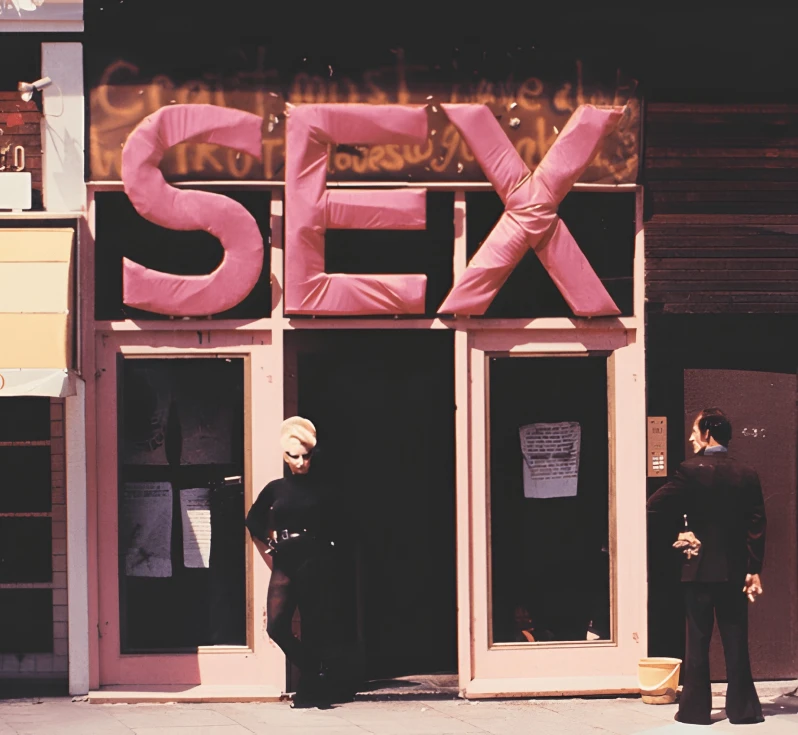
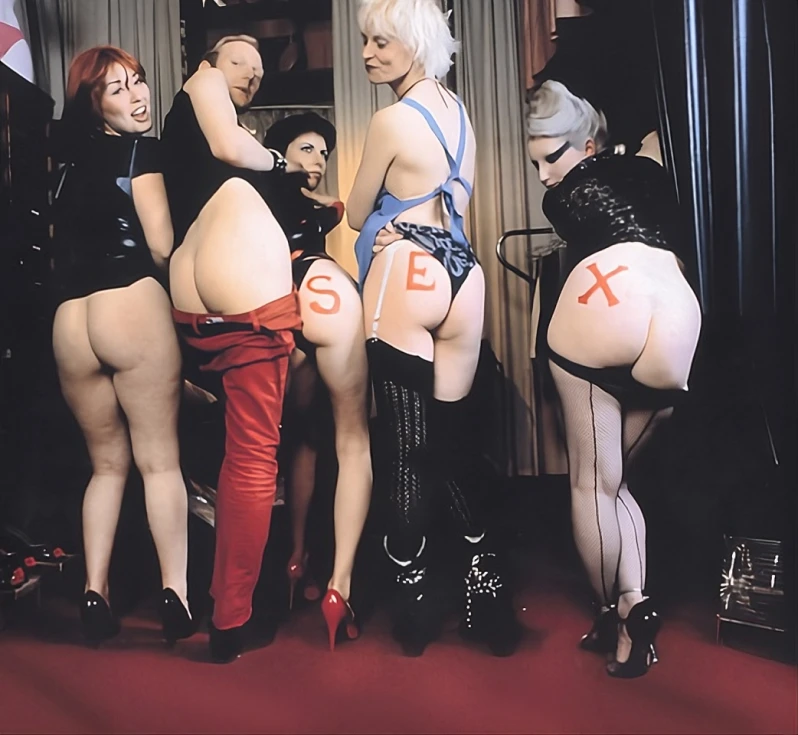
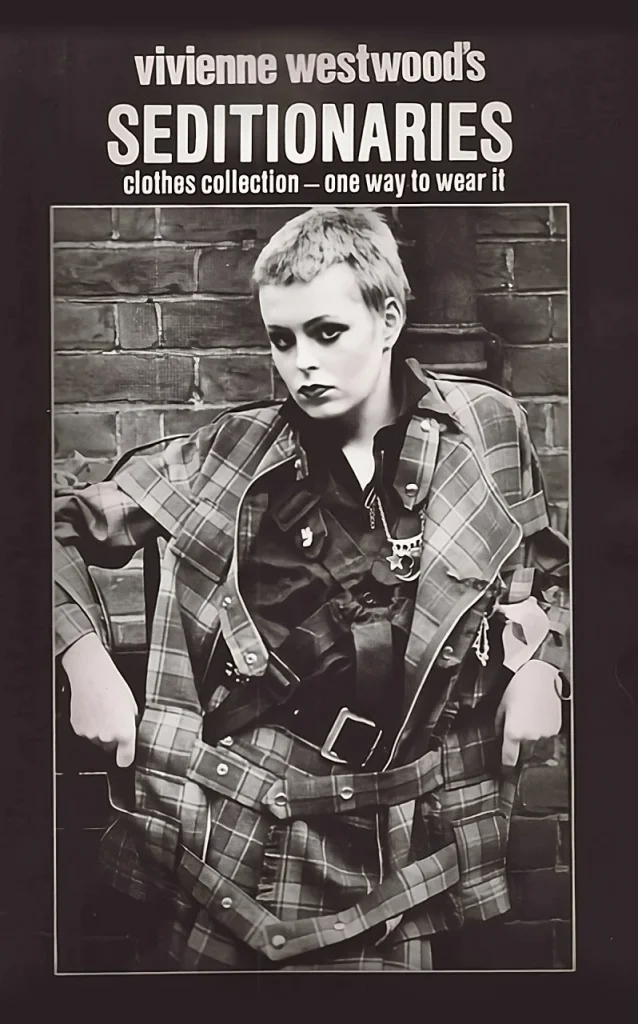
Vivienne makes the clothes that Malcolm sells in record stores. Ils participent aux mouvements étudiants de 1968, se positionnent en rebelles, ouvrent sur King’s Road en 1971 une boutique dont le nom changera au fil de leurs évolutions: Let it Rock, Too fast to live, Too young to die, Sex, Seditionaries puis World’s End, successivement d’ambiance rock n’roll puis motarde, puis punk.
The punk movement rises, the Sex Pistols are formed; Malcolm is their manager, Vivienne their costume designer. She creates an anarchic, gender-neutral dandy persona clad in bondage trousers with straps, and reclaims elements such as tartan—a symbol of Scottish resistance against English invaders—badges, chunky soles, and monarchist symbols; the success is meteoric.
The band broke up in the late 1970s; it was the end of the punk movement. Photo above.
Vivienne turns to vintage garments she scouts in Camden—corsets and crinolines—taking them apart and reassembling them; her collections are filled with pirates (wearing those famous boots) and romantics. She is a renowned historian of fashion and its techniques: “Looking back is the only way to create the future.”
She counts Lady Diana Spencer among her clients, names her shop World’s End, secures financial backing, and stages runway shows in London with “Pirates” in 1981 and in Paris in 1983 with “Sorcières.” Photo below
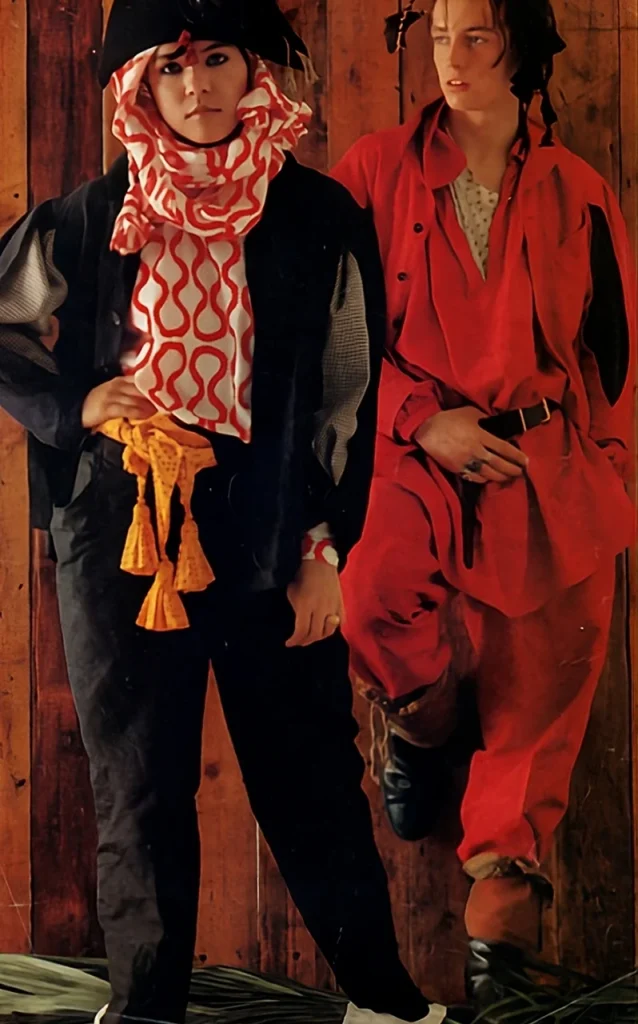
The “Mini-Cricri” and Harris Tweed collections (1985 and 1987) established a silhouette featuring a corset, a short crinoline, and a bustle, all perched on high platform heels.
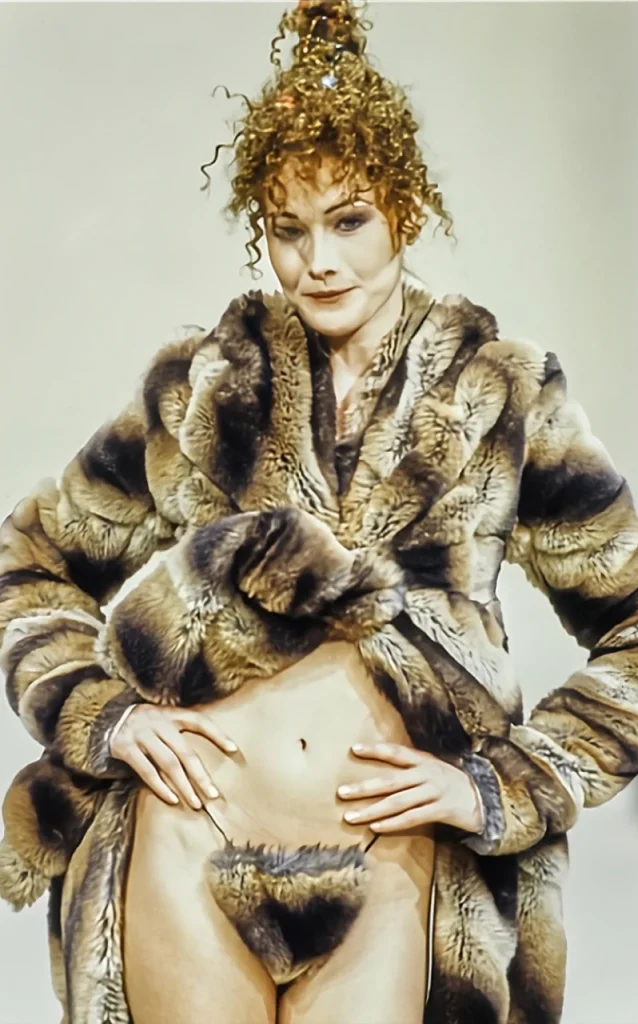
The 1990 *Portrait* collection marked a shift toward a more “Elizabethan” style—featuring powdered wigs, corsets, trains, and bustles—that ridiculed the gentry and Victorian puritanism, sparking a scandal in 1994 (photos below).
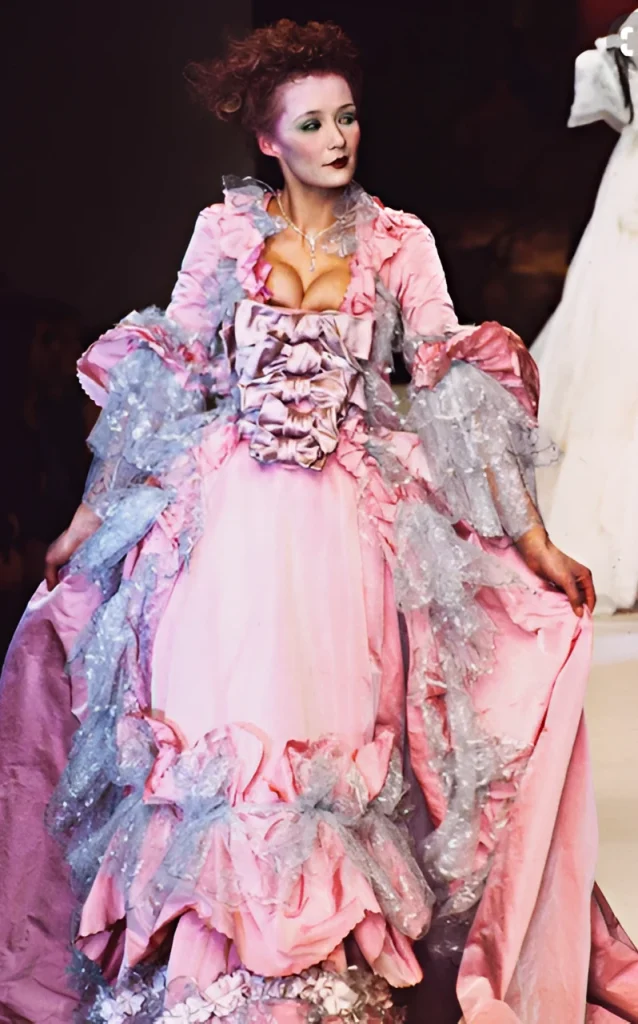
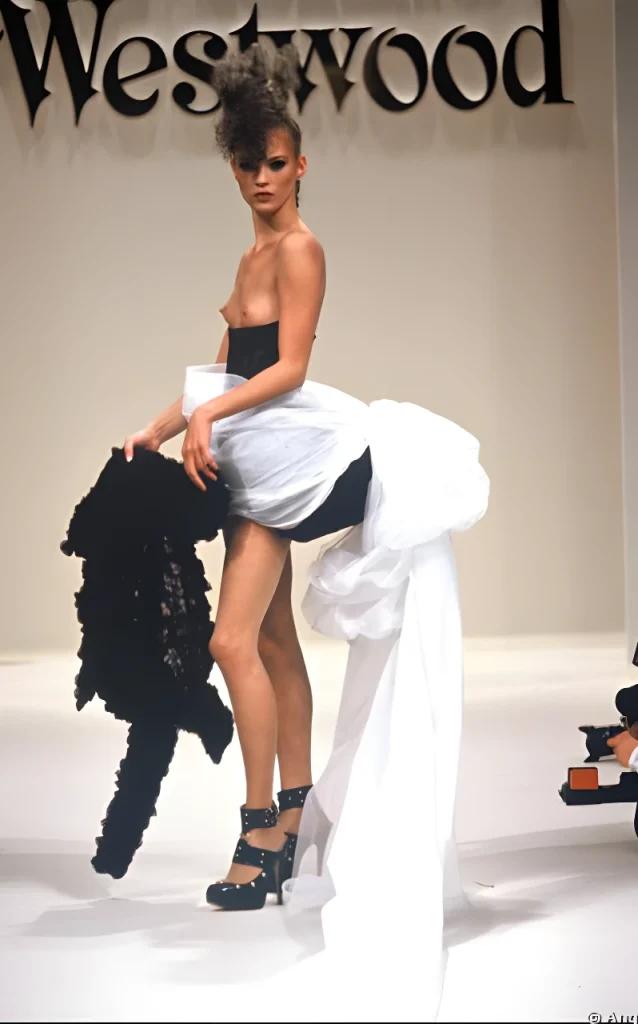
In 1992, she met Andreas Kronthaler—25 years her junior—who now designs the collections.
Recognition came with two nominations for British Designer of the Year (1990 and 1991) and a retrospective at the Victoria & Albert Museum in 2004.
She created the costumes for Bertolt Brecht’s *The Threepenny Opera* in Vienna and Carrie Bradshaw’s wedding dress in *Sex and the City*, but her final years were defined by activism: “I turned fashion into a political tool to spread my nonconformist ideas.” She is a vegetarian and anti-fur activist, donated one million pounds to reforestation in 2012, and campaigns for a free Tibet.
She is a vegetarian and anti-fur activist, donated one million pounds to reforestation in 2012, and campaigns for a free Tibet. Pictures below
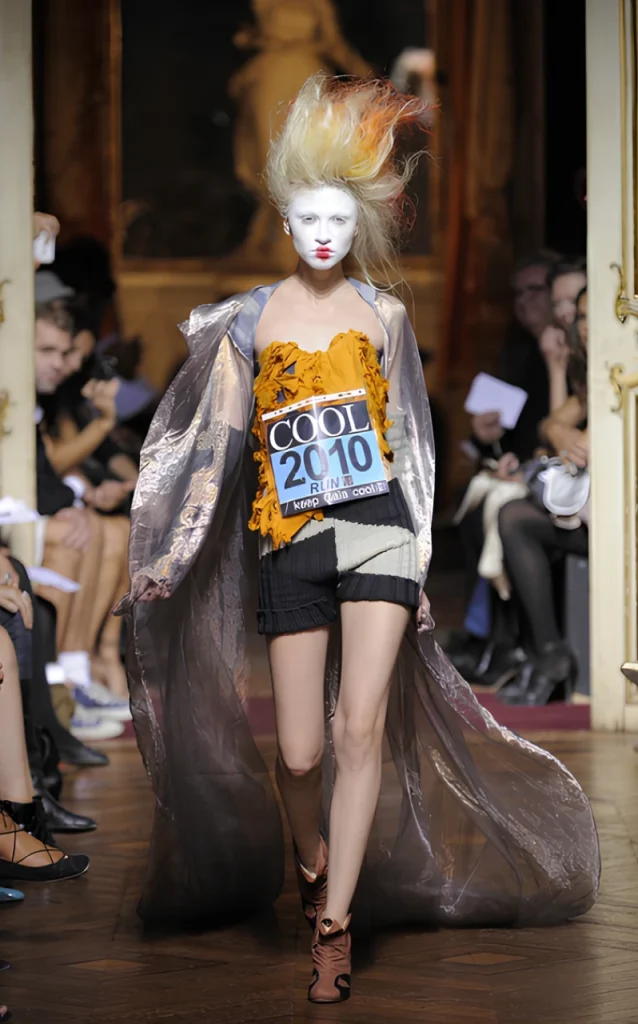
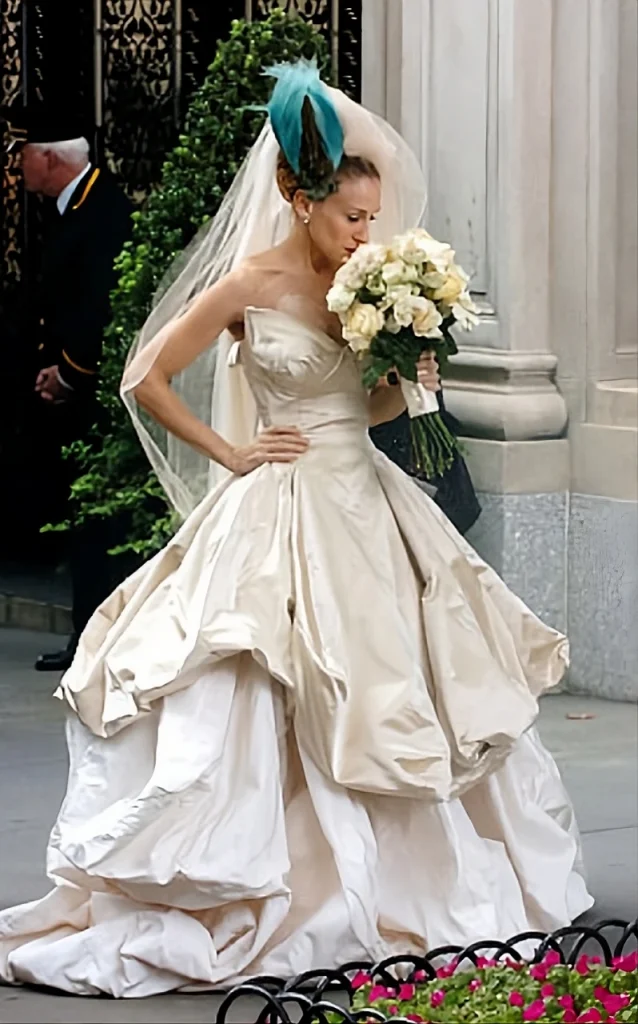
Twenty standalone stores worldwide.
Three claws:
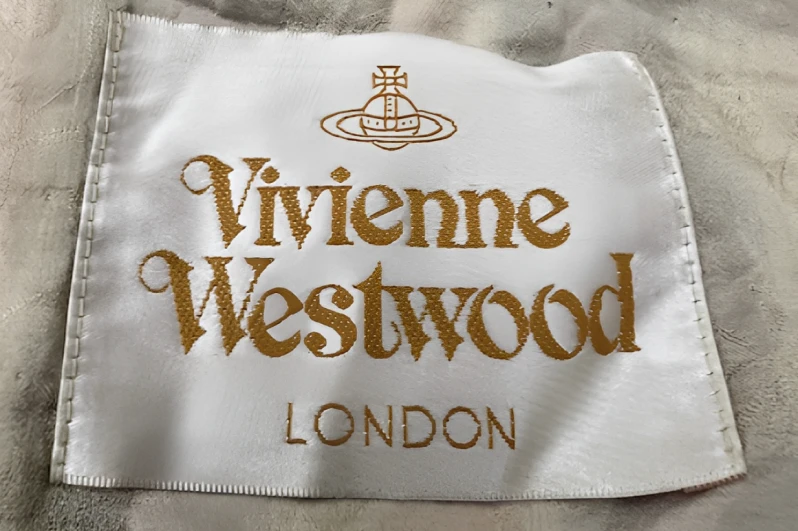
Gold Label, semi-couture
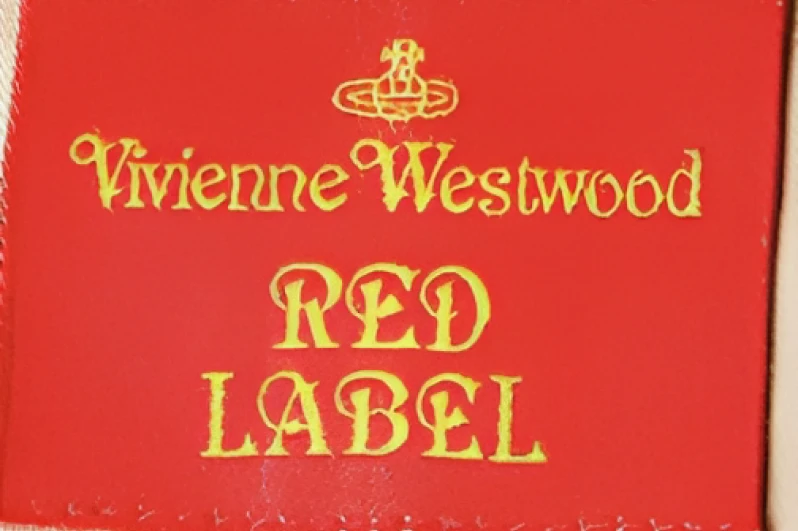
Red Label : Prêt-à-porter
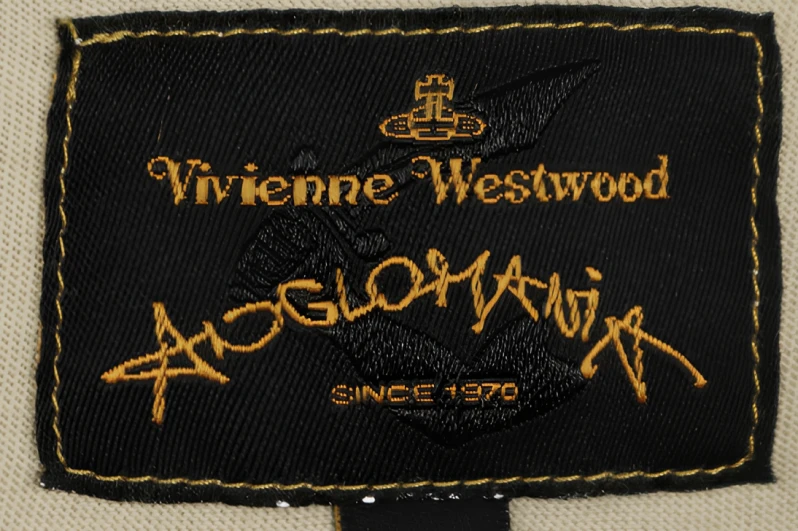
Anglomania : Diffusion
For who A self-assured, sexy woman who always wears heels (up to 30 cm high with platforms, making for a slightly unsteady gait—Naomi Campbell learned this the hard way live on the runway!), and who fully embraces her look and willingly plays a role.
Buying vintage Vivienne Westwood: prices have skyrocketed since the 2024 auction of her personal collection—which raised nearly £500,000 for charity.
Estimates are frequently multiplied by four: in France, a World’s End trench coat estimated at €300 sold for €2,500, while a Gold Label skirt estimated at €200 went for €1,600. There’s no point trying to buy in the UK…
Key pieces:
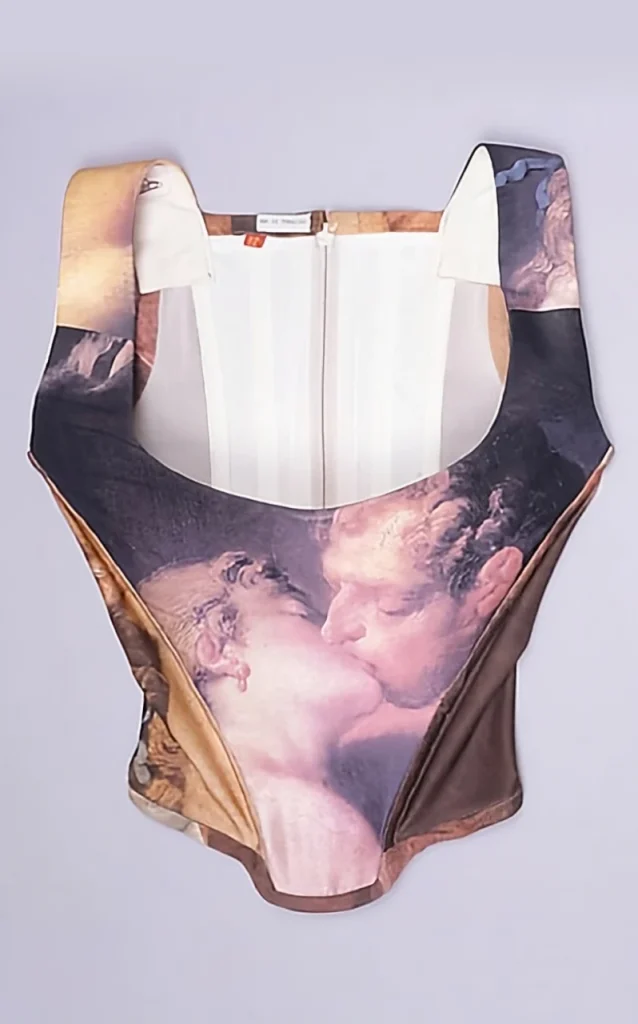
Introduced with the “Portrait” collection in 1990, it draws direct inspiration from an 18th-century *pièce d’estomac* (stomacher)—a garment designed to cinch the waist, flatten the torso, and push the bosom upward and forward.
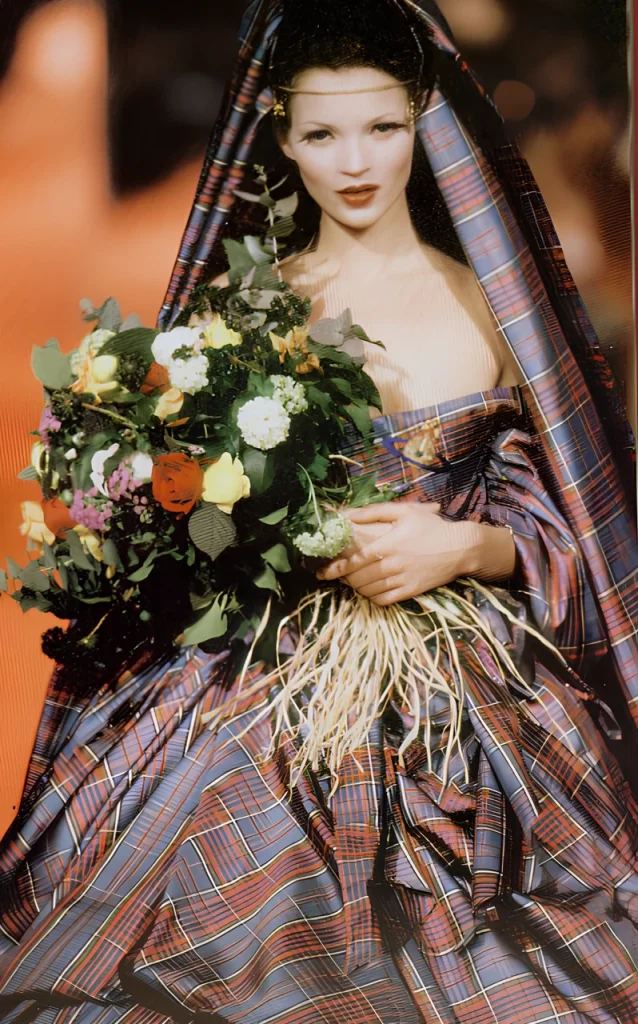
Le tartan, ici porté par Kate Moss pour la robe de mariée du final en 1993 : il est de toutes les collections, depuis le premier jour. Tartan—worn here by Kate Moss for the finale wedding dress in 1993—has been a fixture in every collection since day one.
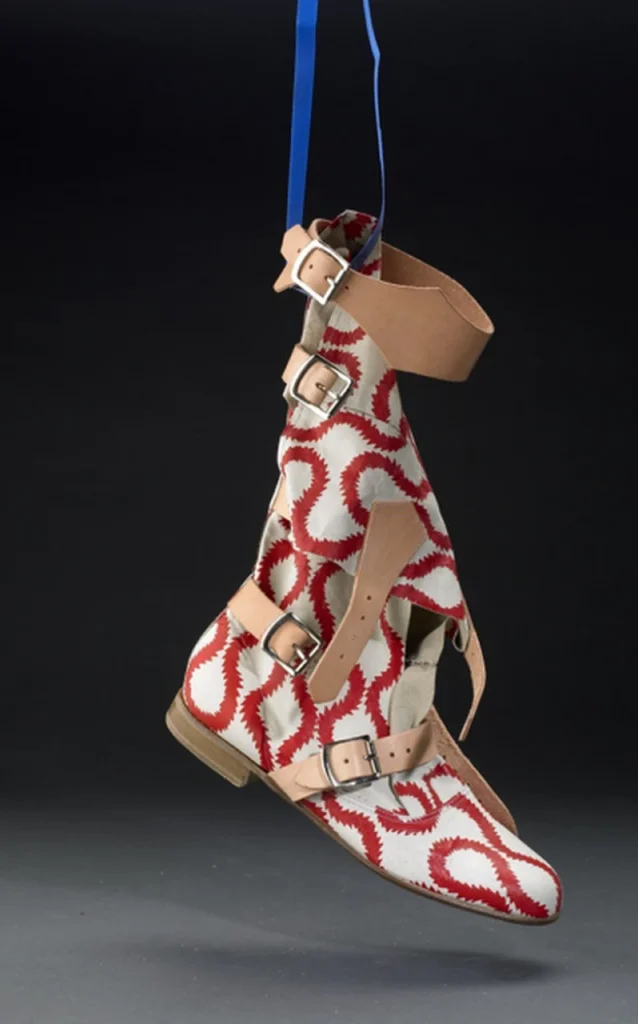
Les boots Pirates, nées en 1981, éternelles, incontournables…
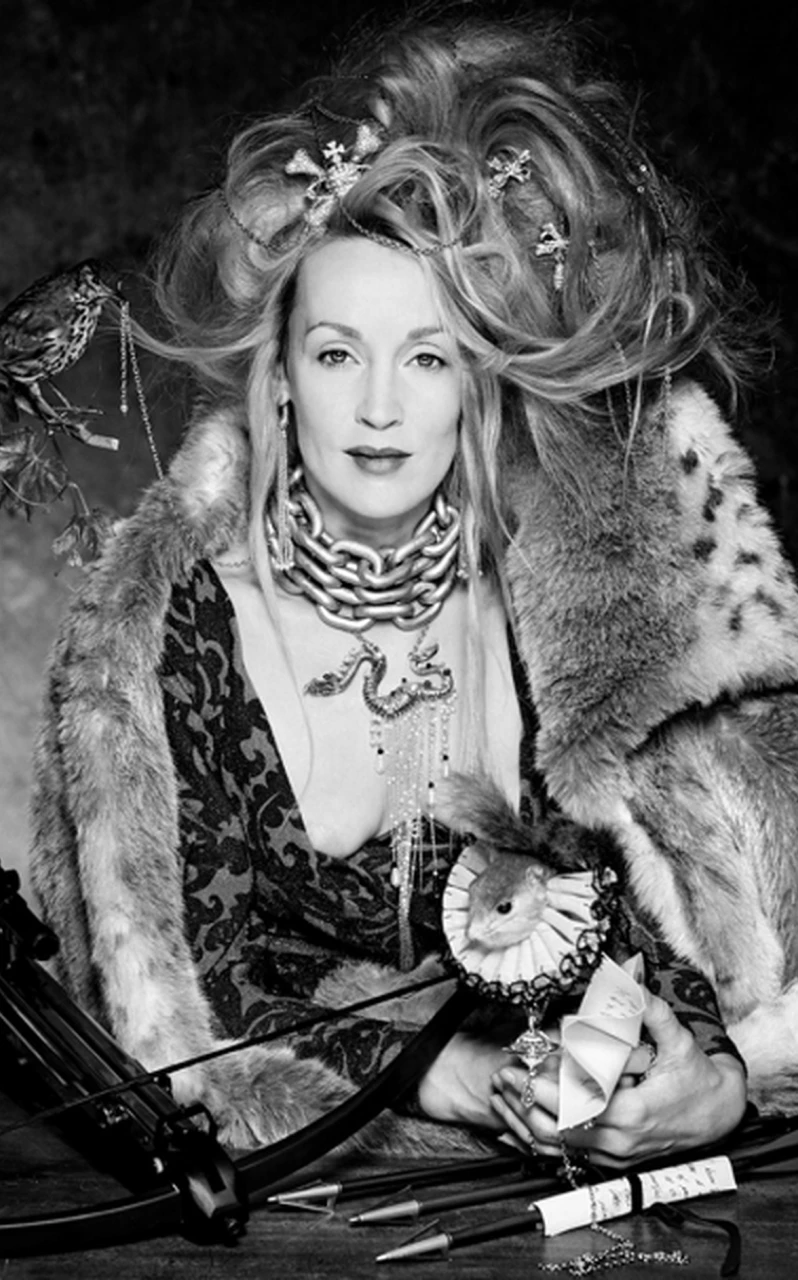
Jewelry featuring the orb (a globe topped by a cross, symbolizing British royalty) encircled by a Saturn-like ring—created in 1986—became a global commercial success and was affordably priced.