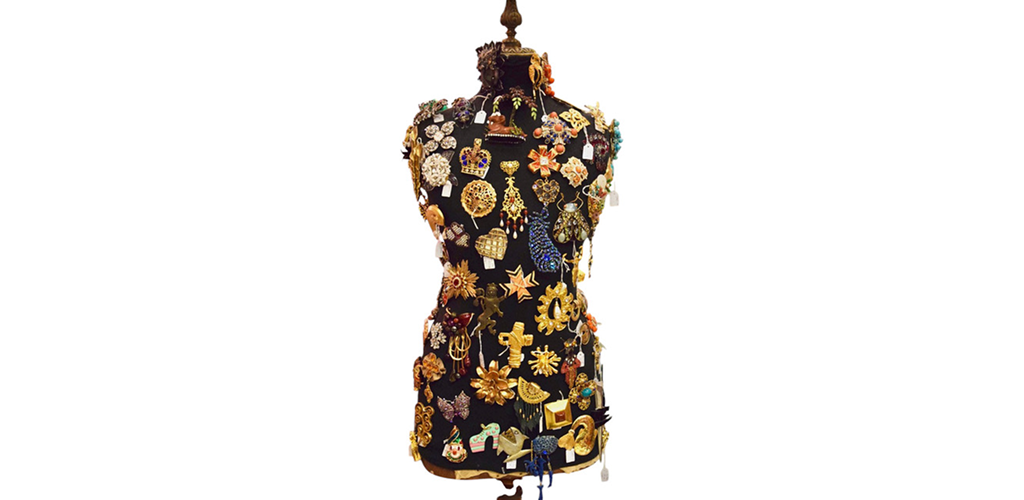
An undisputed fashion icon of the first half of the 20th century, the brooch has all but vanished from our jewelry boxes. It reigned majestically on every lapel, gathered the necklines of little black dresses in a “duet,” and held the edges of cardigans close together like a proper “chatelaine.”
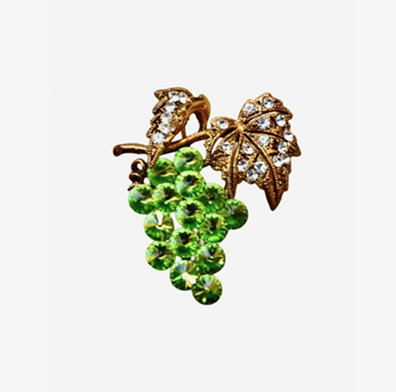
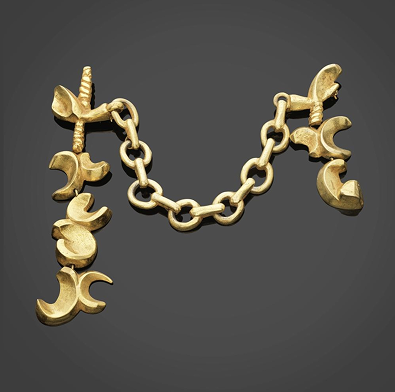
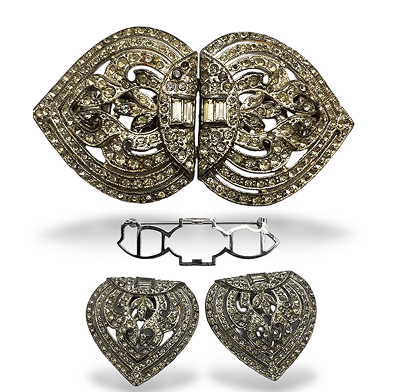
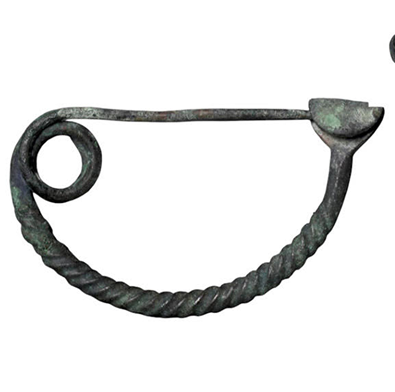
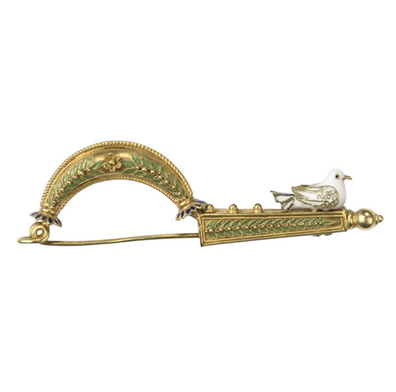
The oldest known piece of jewelry—known as the fibula—served since prehistoric times to fasten garments that lacked seams or buttons. In the Middle Ages, it lost its original function and became decorative, a badge of power, a sign of belonging to an order or brotherhood, a reward for valor or courage.
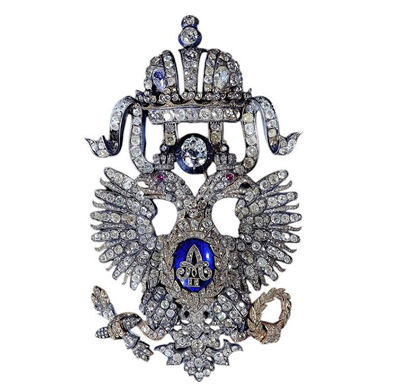
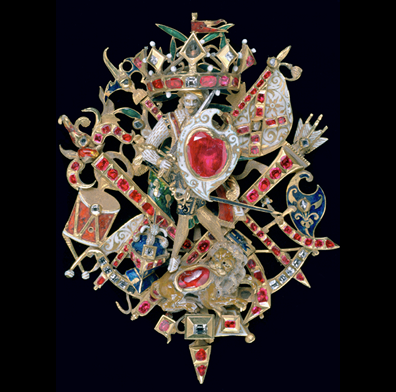
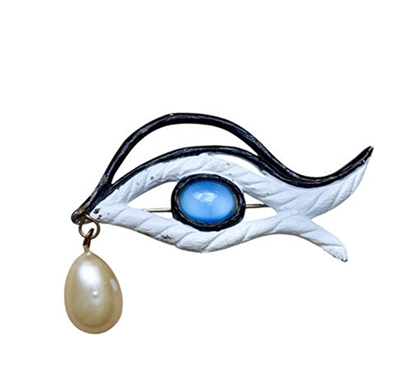
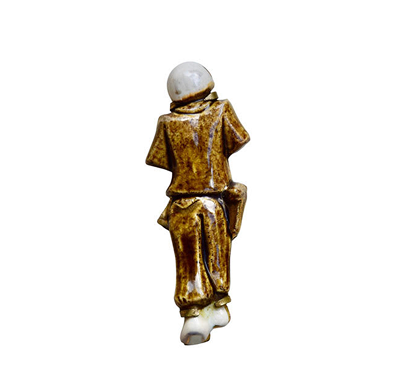
The greatest artists of the early 20th century turned it into a work of art, the finest jewelers into a precious object: Salvador Dalí, Lucien Neuquelman, Jean Cocteau…
As fabrics became more advanced over time—lighter yet warmer—and finer synthetic fibers with tighter weaves appeared, the brooch acquired the nasty reputation of making holes, pulling threads, and leaving marks.
Because of its often somewhat old-fashioned appearance and small size, and from seeing it worn by our grandmothers, we deemed it outdated and it found itself banished, abandoned at the back of drawers.
It is tentatively attempting a comeback, thanks to an Asian clientele that adores it and bold designers who exaggerate its proportions to the extreme—yet old prejudices die hard…
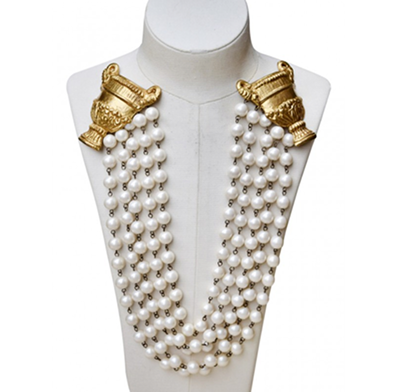
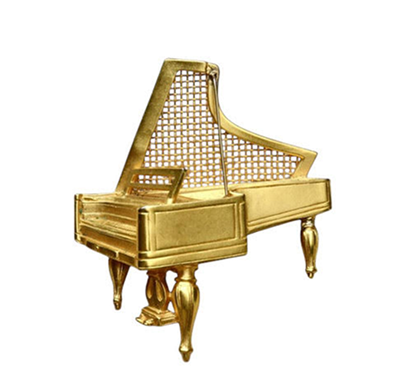
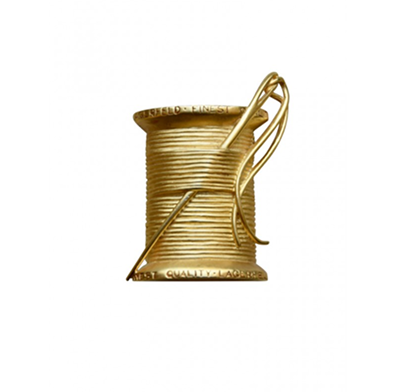
How many 1950s suits and satin dresses are rejected by high-end vintage boutiques because of marks or holes where the heart is (since proper etiquette dictates it always be worn on the left)?
Nevertheless, there are a few things to know and put into practice so you can wear it without seeing your favorite dress ruined beyond repair.
The first thing to consider is the condition of the brooch itself: the back must be smooth, with no poorly closed prongs or rough metal edges that could cause future snags, and clean—otherwise your white shirt will do the cleaning!
Above all, check the tip of the pin; if it is not perfectly sharp, it will snag the fibers and cause holes and pulled threads. Discard any pin with a broken tip. If it has lost its sharpness, file it lengthwise with a simple metal nail file (a vintage accessory to borrow from your grandmother!)
Finally—and this also applies to a brooch that hasn’t been worn for a long time and has oxidized—you need to clean the pin with alcohol, or else your white shirt will end up decorated with black spots…
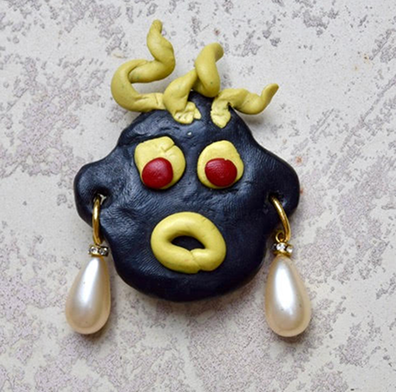
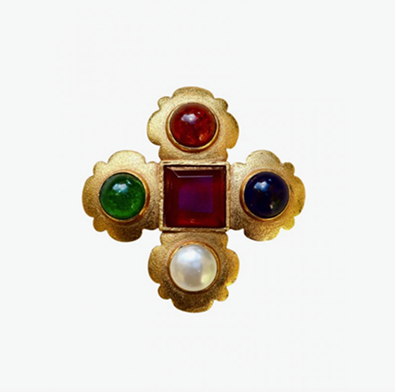
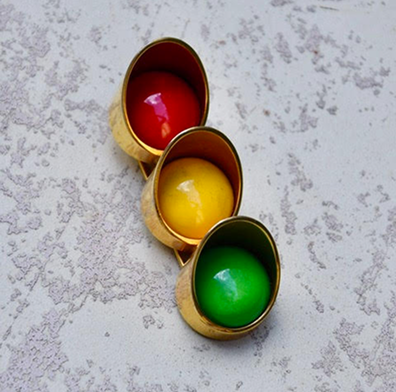
Simple common sense dictates that you should not wear a heavy brooch on fabric that is too light or delicate: never wear one on silk satin or chiffon, and exercise caution with silk crepe and fine open-weave fabrics to avoid pulling or tearing the threads. By gently scratching with your fingernail on the reverse side of the fabric, you can sometimes realign the fibers—but you can never fill a hole!
Épinglez la broche sur le vêtement accroché sur un cintre et non sur vous : on se rend mieux compte ainsi de l’endroit où on veut la mettre et cela évite les tentatives successives de positionnement idéal qui peuvent se solder par plusieurs trous. Not to mention the enlargement of the hole caused by unsuccessful attempts to close a tiny safety mechanism that is often invisible and awkward to operate.
Pierce between the fibers, not just anywhere, and reserve double-pinned (and thick) brooches for fur and heavy fabrics—they were designed for them.
There are magnetic devices designed to be placed under the fabric to support the weight of the brooch, but they are rather bulky and not always effective.
Finally, in the “Tips and Tricks” section, here is the ultimate, foolproof visual guide to safely wearing a brooch on almost anything.
Three cheers for brooches that brighten up dreary winter coats, climb up the necks of turtlenecks, and hold the artful drape of a cashmere shawl in place! Here’s to brooches that sparkle brilliantly against a (faux) fur collar and add the finishing touch to the satin ribbon cinching a little black dress!